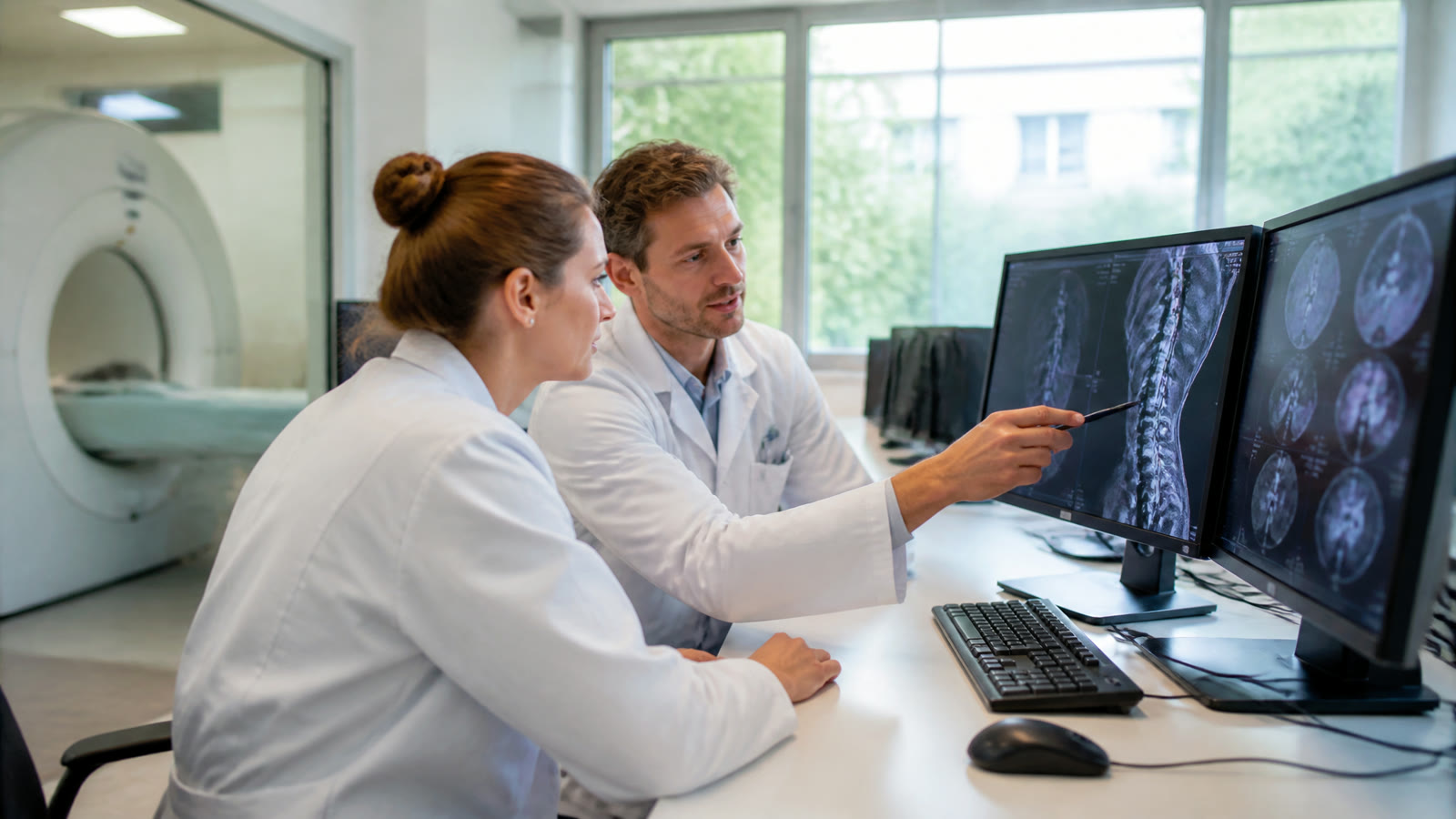
A medical breakthrough: Radiology in Vienna sets new standards
Vienna, the Austrian capital, is known for its cultural treasures and historic buildings. But now the city is making headlines in the medical world. With over 530,000 radiological services in 2024, the Vienna Healthcare Association has reached a new milestone. More than 200,000 patients benefited from the advanced methods that radiology offers today. But what lies behind these impressive numbers?
Radiology: More Than Just Imaging
Radiology, once known for simple X-rays, has developed into a highly complex, technologically advanced field. Modern procedures can detect tumors earlier and treat them in a targeted way. This not only saves time but also significantly increases the chances of recovery. Friedrich Lomoschitz, the Medical Director of the Institute for Diagnostic and Interventional Radiology at Klinik Hietzing, emphasizes: "Radiology today is far more than pure imaging; it is the engine of many medical innovations."
Technological Innovations and Their Impact
Radiology at the Vienna Healthcare Association has entered a phase of intensive technological development. Artificial intelligence (AI) plays a central role. AI applications assist in the automated detection of the smallest tumor changes and in the assessment of lung or vascular diseases. Pia Lauermann, radiology technologist and head of MTDG at the Institute for Diagnostic and Interventional Radiology at Klinik Hietzing, explains: "Artificial intelligence is changing our everyday work. Whether in dose optimization for CT scans or shortened measurement times for MRI scans: AI helps us create images faster, safer, and more gently."
- X-ray: With 279,000 procedures in 2024, X-ray remains the most common examination.
- Computed Tomography (CT): 183,000 procedures demonstrate the importance of this method.
- Magnetic Resonance Imaging (MRI): 47,000 examinations offer deep insights into body structure.
Interventional Procedures: A Wide Range
Radiology includes not only diagnostic imaging but also interventional procedures such as percutaneous transluminal angioplasty (PTA). This minimally invasive method widens narrowed or blocked blood vessels using a balloon. Angiography is also part of this versatile range of services.
Direct Benefits for the Population
Especially in women's health, modern radiology has enabled decisive advances, particularly in the early detection and treatment of breast cancer. More precise imaging and AI-supported analysis make it possible to diagnose tumors at significantly earlier stages. This leads to less invasive interventions in vascular medicine and innovative methods of tumor diagnostics.
A Look into the Future of Radiology
The Vienna Healthcare Association shows what the radiology of the future could look like: technologically innovative, interdisciplinaryly networked, and crucial for the treatment success of hundreds of thousands of patients each year. With the continued integration of AI and other technological innovations, radiology is expected to become even more efficient and precise.
Political and Economic Influences
The development of radiology in Vienna would not be possible without political support and financial investments. The City of Vienna has recognized that investments in citizens' health can, in the long term, both improve quality of life and bring economic benefits. Experts estimate that every euro invested in health infrastructure generates a multiple of economic benefit.
The Vienna Healthcare Association has positioned itself as a pioneer in the application of new technologies, and other federal states could follow this example. The effects on the healthcare system are enormous, as more efficient treatment methods not only increase patient satisfaction but can also reduce costs.
Expert Opinions on the Future of Radiology
"Radiology will rely even more on AI and automated systems in the coming years," predicts Dr. Hans Meier, a leading expert in medical imaging. "This will not only increase efficiency but also change the role of radiologists. They will have more time to focus on complex diagnoses and patient care."
Conclusion: Vienna as a Pioneer City in Radiology
The impressive numbers and technological advances in Vienna's radiology show that the city is on the right path to taking a leading role in healthcare. With the continued focus on innovation and interdisciplinarity, Vienna could soon serve as a model city for other European metropolises.
For the people of Vienna, these advances mean better healthcare and a higher quality of life. Radiology has established itself as an indispensable component of modern medicine and will continue to play a key role in the diagnosis and treatment of diseases in the future.