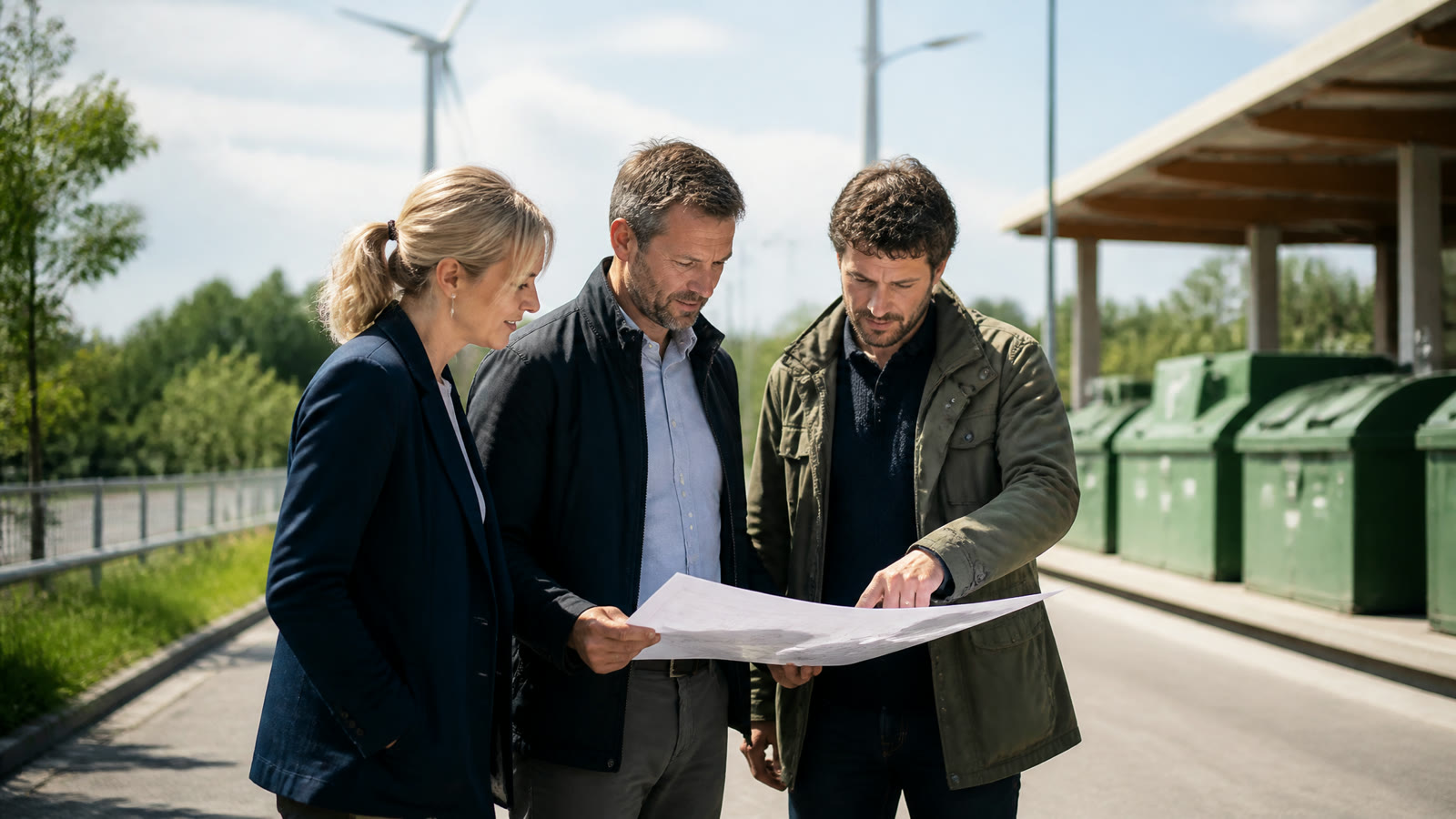
A gigantic trash problem on Austria's motorways
Austria's motorways and expressways are in danger, not only from traffic but from an unbelievable amount of litter, which increased by more than 9,000 tons in 2024. This alarming rise in waste is not only an aesthetic problem but also a major safety risk for all road users.
The alarming numbers in detail
According to ASFINAG, which is responsible for the management of Austria's motorways and expressways, more than 9,000 tons of trash were collected last year. This means the amount of waste has risen further compared with the previous year, when 8,500 tons were recorded. The states particularly affected are Lower Austria, Upper Austria, Tyrol, Styria and Carinthia, which have seen a significant increase.
The dangerous consequences of carelessly discarded litter
ASFINAG warns of the immense dangers posed by carelessly discarded litter. "More than a quarter of this waste has to be collected by hand," says Tamara Christ, Managing Director of ASFINAG. "For our employees this always carries a certain risk, because it is done via temporary work sites in live traffic."
These amounts of trash are not only a danger to the workers, but also to drivers. Bottles, cans, as well as paper and newspapers can become dangerous projectiles on motorways. Many accidents occur because drivers brake suddenly to avoid such objects.
Illegal dumping – a growing problem
Another major problem is the illegal dumping of waste, such as household waste or construction debris, along the roads. Entire pieces of furniture or car tires often end up at the roadside because people want to save on disposal fees or simply find it more convenient.
These illegal deposits not only mean high costs, but also dangerous work operations for ASFINAG employees who have to collect the waste by hand.
The costs of waste disposal
Overall, the more than 9,000 tons of trash cause costs of nearly nine million euros. This sum could certainly be used more sensibly if all road users followed the rules for waste disposal.
Initiatives against the litter problem
For several years ASFINAG has been implementing initiatives against so-called "littering." All overhead displays carry the slogan "I am the motorway, not a trash can" to indicate that litter does not belong on the roads. To reduce the problem of disposable bottles, all rest areas are equipped with drinking water fountains where you can fill your own bottle.
The 2024 waste ranking by federal state
- 2,141 tons in Lower Austria
- 1,553 tons in Upper Austria
- 1,449 tons in Tyrol
- 1,418 tons in Styria
- 1,284 tons in Carinthia
- 461 tons in Salzburg
- 411 tons in Burgenland
- 282 tons in Vorarlberg
- 21 tons in Vienna
Comparison with other countries and federal states
Compared with other European countries, Austria is not alone. Germany, for example, has similar problems with roadside litter. However, measures and the efficiency of waste removal vary between countries. In Scandinavia, for example, where environmental awareness is more entrenched, the amounts of litter on the roads are significantly lower.
What does this mean for citizens?
For citizens, roadside litter primarily means one thing: higher costs. These costs are ultimately passed on to citizens through taxes and fees. In addition, the litter poses a safety risk that in the worst case can lead to accidents.
What do the experts say?
Experts warn that without a rethink in society the litter problem will continue to grow. "We must sharpen people's awareness of the environment and get them to dispose of waste properly," says environmental researcher Dr. Lukas Gruber.
Future outlook: What can be done?
ASFINAG plans to strengthen controls and introduce tougher penalties for polluters. In addition, more campaigns are to be launched to educate citizens about the consequences of littering.
"Waste disposal is not only a matter of cleanliness but also of safety and cost," explains Tamara Christ. "We must all pull together to get this problem under control."
It remains to be seen whether these measures will take effect and whether the amount of litter on Austria's roads will decline again in the coming years.