Introduction: The Vienna City Council convenes again
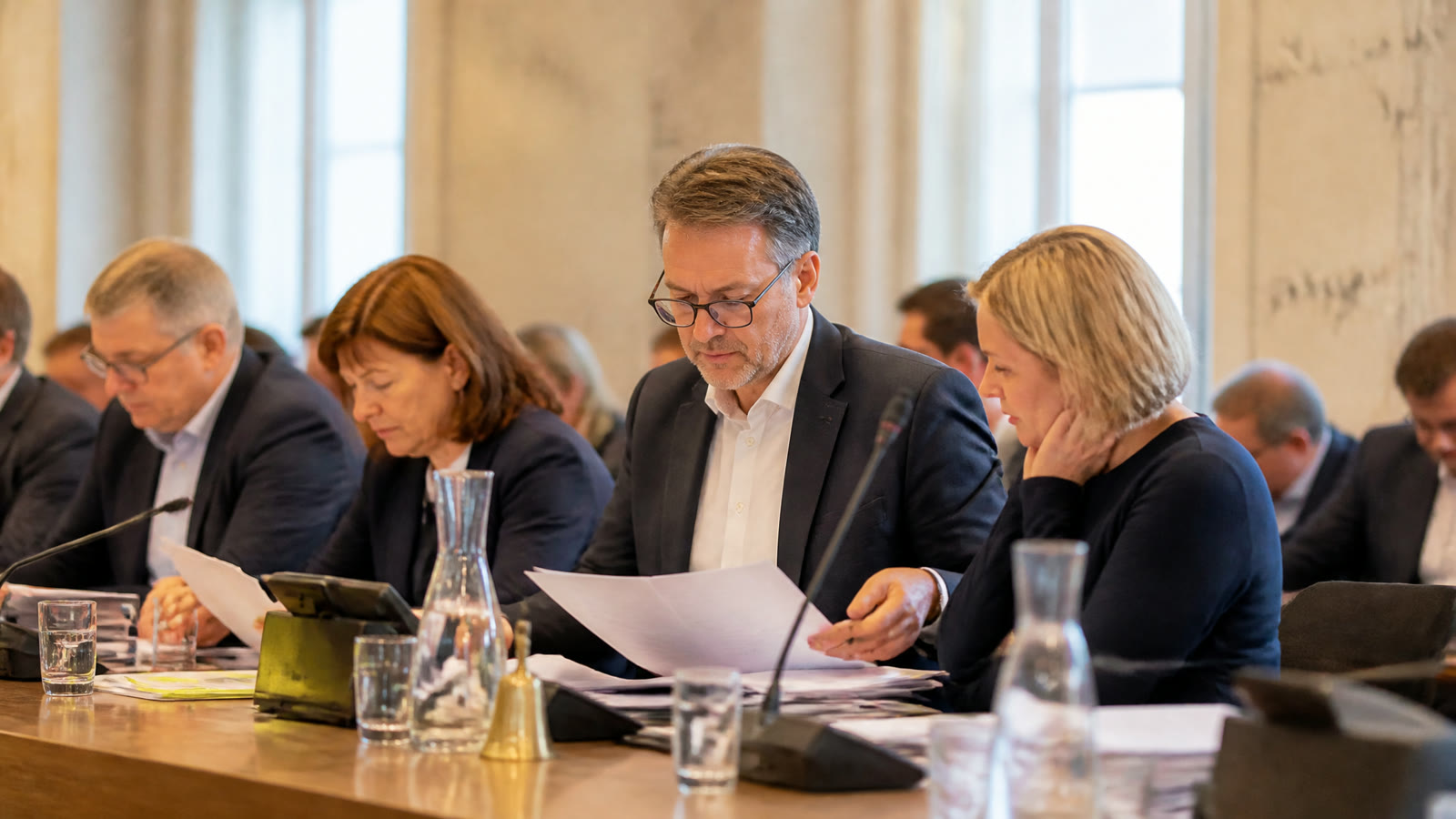
On Wednesday, 18 February 2026, the Vienna City Council will meet for its 11th session of the current electoral term. These sessions are not only an important part of Vienna politics but also a reflection of the current challenges and discussions affecting the city. With a packed agenda ranging from medical waiting times to traffic issues, this session promises to be exciting and controversial.
Question time: A colorful mix of topics
The day begins at 9 a.m. with question time in the assembly hall of Vienna City Hall. Here, the responsible city councillors will answer inquiries on a wide range of topics. Particularly in focus are the waiting times for orthopedic operations, an issue that directly affects many Viennese citizens. Long waiting times can not only impair quality of life but also lead to a deterioration of health. The question is how the City of Vienna plans to reduce these waiting times.
Another highlight is the presentation on Adolf Loos at the Vienna Museum. Adolf Loos was an important architect and cultural critic whose works and ideas continue to resonate today. The presentation could offer new insights into his work and his significance for Vienna.
Traffic issues and an "Age-Friendly-City"
Traffic issues are a perennial topic in city politics. In this session, among other things, the timing of traffic lights in the context of an "Age-Friendly-City" will be discussed. An "Age-Friendly-City" is a city designed to meet the needs of all age groups, especially older people. This also includes safe and efficient traffic management that enables older people to move freely and safely around the city.
The planned bike path through Donau City is also on the agenda. Cycle paths are an important component of urban mobility and help reduce traffic volume and environmental pollution. The new bike path could significantly improve accessibility and quality of life in Donau City.
Current hour: 'Vienna rethinks kindergarten!'
After question time follows the current affairs segment, which was introduced by the NEOS with the topic 'Vienna rethinks kindergarten!'. Early childhood education is a crucial factor in children's development and a central issue in the political discussion. The NEOS are calling for a reorientation of kindergarten policy that focuses on modern pedagogical approaches and better equipment for the facilities.
Kindergartens are not only educational institutions but also important social spaces where children have their first interactive experiences. Improving the framework conditions could have long-term positive effects on children's educational opportunities and social participation.
Historical perspective: Kindergartens in Vienna
The tradition of kindergartens in Vienna goes far back. As early as the 19th century, the first facilities for childcare were established. These institutions evolved over time and adapted to societal and pedagogical requirements. In recent decades, kindergartens have repeatedly been at the center of political debates, particularly regarding funding and the quality of care.
Main debate: Petitions and citizen participation
Another important item on the agenda is the main debate about the petitions conclusively processed in the second half of 2025. Petitions are an important instrument of citizen participation that allow residents to address their concerns directly to politicians. The debate about the petitions provides insight into the issues that matter most to Viennese residents and the solutions proposed by policymakers.
Urgent inquiries: fiscal policy challenges
Financial matters are also on the agenda. The ÖVP has submitted an urgent inquiry to Finance Councillor Barbara Novak regarding compliance with the agreed stability pact. The stability pact is an agreement intended to ensure the city's financial stability and budgetary discipline. In times of economic uncertainty, compliance with such agreements is of great importance to safeguard the city's ability to act financially.
The Greens have submitted another urgent inquiry to Finance Councillor Novak dealing with fair contributions from wealth and the so-called 'cutting madness' in Vienna's budget. In the current economic situation, questions of wealth distribution and budget cuts are particularly acute. The Greens are calling for a fairer distribution of burdens and warn of the social consequences of budget cuts.
Access and media coverage
Sessions of the Vienna City Council are open to the public. Interested citizens can take seats in the visitors' gallery, while media representatives with a press pass have access to the press gallery. For those who cannot be on site, the City of Vienna offers a livestream of the session on its website. This transparency is an important step to strengthen citizens' trust in the political work.
Conclusion: A day full of discussions and decisions
The 11th session of the Vienna City Council promises to be an exciting day full of discussions and decisions that could influence the city's future. From healthcare to traffic planning to financial matters – the topics are varied and affect the daily lives of Viennese residents in many ways. It remains to be seen which resolutions will be passed and how they will shape the City of Vienna in the coming months and years.