Austria in the Cheese War: The Battle over Emmentaler
Emmentaler, a traditional cheese, is at the center of a heated European legal proceeding. Austria has officially positioned itself as an intervener in the so-called 'Emmentaler proceedings' before the General Court of the European Union (GC). The importance of this legal dispute cannot be underestimated, as it is about far more than just a cheese name.
What is Emmentaler?
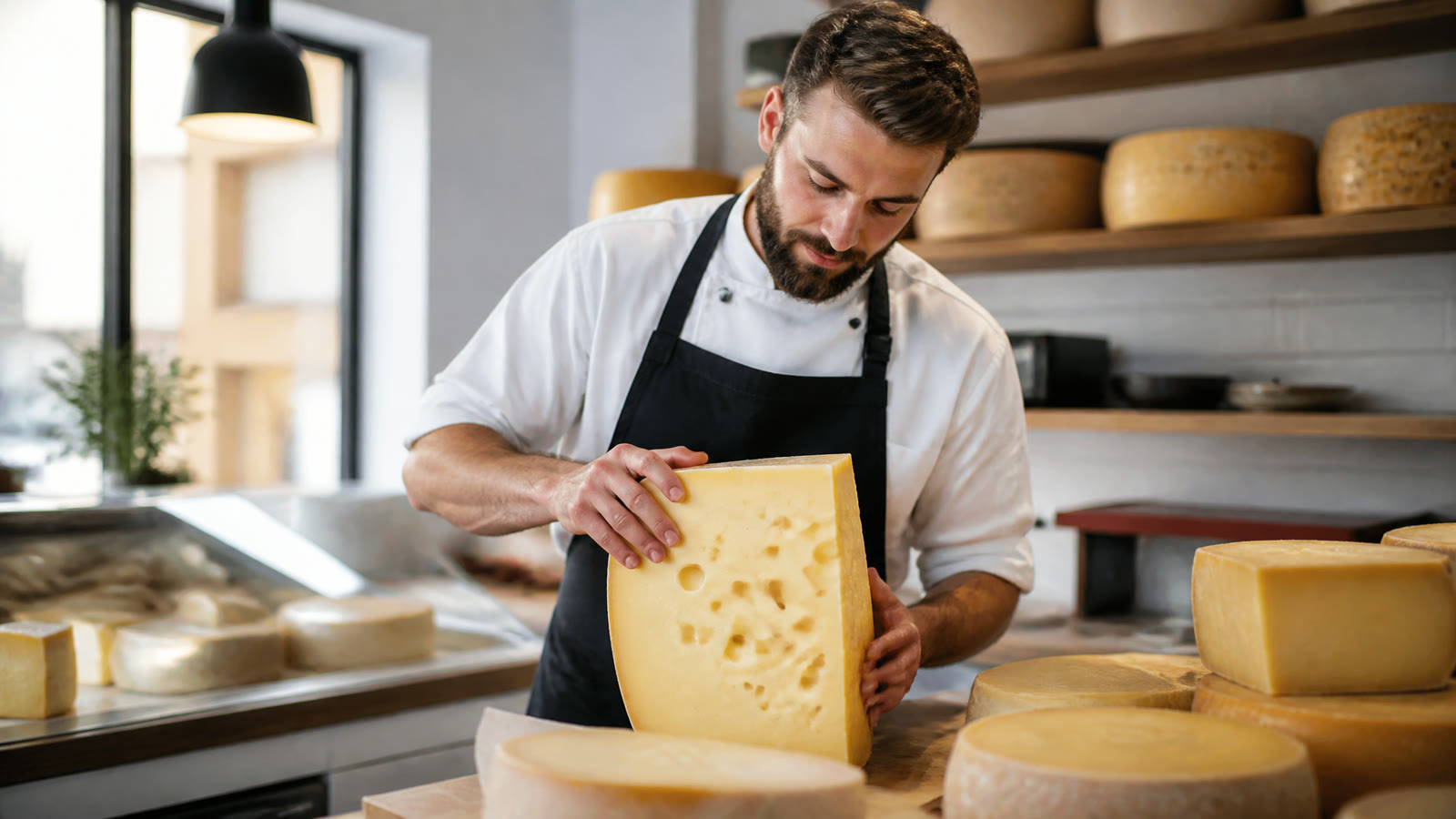
Emmentaler is a hard cheese that originally comes from the Emmental region in Switzerland. It is characterized by its large holes and its nutty flavor. Emmentaler has been produced in Austria for more than 90 years, and in 2023 alone more than 13,700 tonnes were produced. But what happens if Switzerland gets its way and claims the name 'Emmentaler' exclusively as a protected designation of origin (PDO)?
Background of the legal dispute
The trigger for the proceedings was Switzerland's application to claim the name 'Emmentaler' exclusively for itself. The European Commission, however, rejected this demand, which prompted Switzerland to file a lawsuit with the General Court (GC). Austria, at the initiative of Agriculture Minister Norbert Totschnig, applied to participate in the proceedings to support the Commission as an intervener. In addition to Austria, Germany, France and the Netherlands are also involved in the proceedings.
The significance for Austria
Agriculture Minister Norbert Totschnig emphasized the importance of this dispute: 'Being admitted as an intervener for the Commission brings us a step closer to our goal of ensuring that there can also be Emmentaler from Austria in the future. After all, it is about jobs, value creation in rural areas, and legal certainty for our family-run farms.'
A successful lawsuit by Switzerland would have serious consequences: Emmentaler from Austria could no longer be sold under that name in the future. This would not only affect Austrian cheese production, but also the identity of a product that has been part of Austrian culture for decades.
Historical comparisons
The dispute over protected designations of origin is not new. Similar conflicts have occurred in the past, such as with Champagner, which may only come from the region of the same name in France. Parmesan, whose name may be used exclusively for cheese from the Parma region in Italy, also demonstrates the economic and cultural effects of such designations.
Concrete impacts on citizens
For Austrian consumers, a decision in favor of Switzerland could mean that they would have to do without the familiar Emmentaler from domestic production. This could not only affect prices but also the availability of the cheese in stores.
Expert opinions and future outlook
Experts agree that the outcome of the proceedings could have far-reaching consequences for the European food industry. A victory for Switzerland could encourage other countries to assert similar protection claims, which could restrict competition and diversity in the European market.
Norbert Totschnig remains optimistic, however: "Emmentaler is not an exclusive Swiss cultural asset, but an integral part of European and, in particular, Austrian culinary tradition. I will continue to work to ensure that there will still be Emmentaler from Austria in the future."
Political contexts and dependencies
The case also highlights the political entanglements within the EU. The support of Germany, France and the Netherlands underscores the significance of the issue at the European level. These countries recognize the potential economic effects of such a precedent and the need to act together against excessive national claims.
The next step in the proceedings
In the coming months, the authorized parties will submit their statements to the European Court of Justice. The outcome of the proceedings is eagerly awaited and could fundamentally change the landscape of European food labeling.
Conclusion: A fight over more than just a name
The fight over Emmentaler is more than just a legal dispute over a cheese name. It is about preserving cultural traditions, protecting jobs, and the future of the European food industry. Austria stands ready to take on this fight and defend its interests.