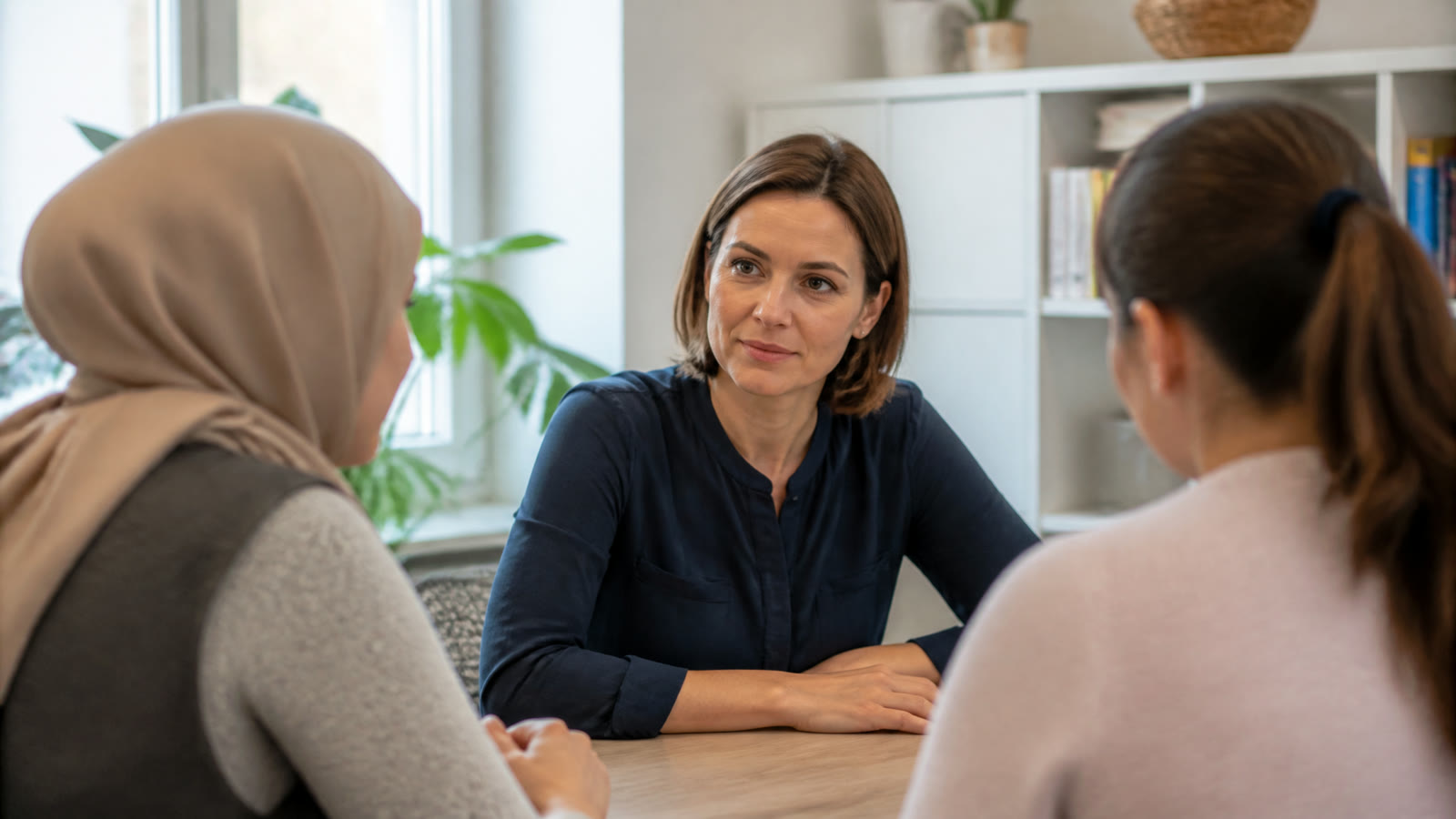
An event that makes waves: 'Let’s empower DACH'
On 1 July 2025 an event took place in Vienna that could have a lasting impact on Austria's media and social landscape: the Austrian Fund for Strengthening and Promoting Women and Girls, abbreviated as LEA, invited participants to its cross-border networking event 'Let’s empower DACH' for the third time. With this event, the fund aims to critically examine the media portrayal of women and open up new avenues of representation.
The power of the media: Who decides what we see?
The media are a powerful tool. They determine not only which stories are told but also how they are told. The event 'Let’s empower DACH' shed light on these very power structures. Minister for Women Eva-Maria Holzleitner put it succinctly: 'We live in a world that has been described by men for centuries.' This historical perspective shows that the narratives we consume in the media are often dominated by male viewpoints. Despite progress in the area of equality, images of women in the media are often still stereotypical.
The role of women in the media: An analysis
LEA director Mirela Memic emphasized the importance of representation: 'The images of women and gender roles that are disseminated in the media shape our understanding of identity and equality.' This statement underscores that the media are not merely passive conveyors of information but actively contribute to shaping social norms. The event showed that it is necessary to question existing narratives and develop new forms of storytelling that portray women as equal actors in all areas of life.
Expert opinions: Three perspectives on media representation
Three renowned female speakers from Austria, Germany and Switzerland contributed their unique perspectives:
- Ronja von Wurmb-Seibel (DE): The journalist and author addressed how certain narratives can empower or stereotype women. She advocated for storytelling approaches that promote social cohesion.
- Karoline Rath-Zobernig (AT): The sports journalist highlighted the structural disadvantage of women in the sports world. She called for increased attention and financial investment to eliminate these inequalities.
- Katia Murmann Amirhosseini (CH): The IT entrepreneur presented compelling data on the digital visibility of women and discussed the influence of gender bias in AI systems.
A look at other federal states: How does Austria compare?
Compared to other federal states in Europe, Austria clearly has work to do in many areas of gender equality. While Scandinavian countries are often regarded as frontrunners in terms of gender equality, Austria struggles with traditional role models that are deeply rooted in society. Events like “Let’s empower DACH” are therefore of great importance to advance the discourse and initiate change.
The impact on the everyday lives of citizens
But what does all this mean for the average citizen? The media representation of women affects not only political and economic decisions but also the everyday life of each individual. Stereotypical portrayals can lead to women being underrepresented in certain professions or receiving lower pay. A rethinking of media representation could therefore have far-reaching positive effects on gender equality in society.
Future outlook: Where is this headed?
The future of the media portrayal of women depends on many factors. It requires both political measures and a shift in thinking within media organizations themselves. Experts agree that events like „Let’s empower DACH“ make an important contribution to keeping the discussion going and initiating concrete changes. Involving women in decision-making processes is essential to ensure balanced representation.
Political contexts and dependencies
Politically, promoting gender equality for women is not only a social concern but also an economic one. Studies show that countries with higher gender equality are more economically successful. Austria could, through targeted measures to promote women in the workplace and in the media, achieve not only social but also economic benefits.
Conclusion: An important step in the right direction
„Let’s empower DACH“ is more than just an event – it is a step toward a fairer society. Through critical engagement with media portrayals and the promotion of new narratives, Austria could become a model for other countries. The challenge now is to translate the insights gained into concrete measures that promote gender equality for women in all areas of life.